Cusco Unhurried: Where Every Cobblestone Tells a Story
Cusco isn’t a city you rush through—it’s one you feel. Nestled high in the Andes, this ancient capital of the Inca Empire pulses with quiet energy, where time slows and culture breathes through every stone and market stall. I wandered for weeks, not chasing sights, but soaking in moments: a shared smile with a weaver, the scent of coca tea at dawn, the hum of Quechua in hidden plazas. This is travel as connection, not checklist. If you're ready to truly experience instead of just visit, Cusco awaits.
The Rhythm of Slow Travel in Cusco
Slow travel is often described as a trend, but in Cusco, it is not a choice—it is a necessity shaped by altitude, history, and rhythm. At 3,400 meters above sea level, the thin air forces visitors to slow their pace, making hurried sightseeing both physically unwise and spiritually out of sync with the city’s essence. This enforced stillness becomes a gift, allowing travelers to move mindfully through a landscape where every breath is measured and every step deliberate. Rather than rushing from one attraction to the next, the true visitor learns to pause, to observe, and to let the city reveal itself gradually.
What sets Cusco apart is not just its Inca foundations or colonial churches, but the way life unfolds here with a natural cadence. Locals move with purpose, not haste. Vendors arrange their textiles with care, children walk home from school singing folk songs, and elders sit on stone benches watching the world pass by with quiet dignity. When travelers align with this rhythm, they begin to understand that presence matters more than productivity. Lingering in San Blas, the artisan neighborhood perched on a hillside, one might spend an entire morning watching a potter shape clay with hands that have known this craft for generations. There is no rush, no demand for efficiency—only the deep satisfaction of witnessing something real.
Participating in a local festival without raising a camera exemplifies this shift in mindset. In the festival of Qoyllur Rit’i or during Inti Raymi, the sun celebration, many tourists jostle for photos, but those who simply stand and absorb the chants, music, and communal energy often leave with a far richer experience. These moments are not performances; they are sacred expressions of identity. To witness them without intrusion is an act of respect. Slow travel in Cusco, therefore, is not about doing less—it is about experiencing more deeply, with greater awareness and humility.
Moreover, this mindful approach fosters genuine cultural respect. When travelers slow down, they begin to notice nuances: the way a woman ties her montera (hat) to signify her village, the subtle differences in Quechua dialects spoken in various districts, or the quiet rituals performed before entering a home. These details are invisible to the hurried observer but become luminous to those who take time. In this way, Cusco becomes not just a destination, but a teacher of presence.
Cusco’s Living Culture: More Than Ruins
The culture of Cusco is not confined to museums or archaeological sites—it thrives in the everyday. While Machu Picchu draws global attention, the living heart of Inca and Andean heritage beats strongest in the streets, homes, and fields surrounding the city. Quechua, the language of the Incas, is spoken widely, not as a relic but as a living tongue passed from grandparents to grandchildren. In neighborhood markets and rural villages, it flows naturally in conversations about weather, crops, and family. To hear it is to recognize that history is not behind glass cases; it is unfolding in real time.
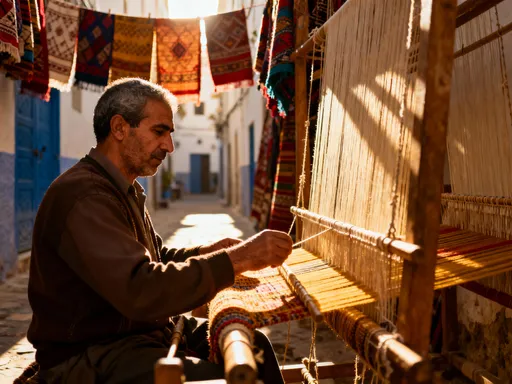
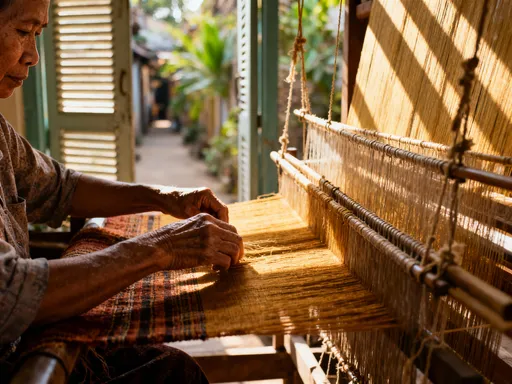
Traditional clothing remains a powerful symbol of identity. Women in the surrounding communities wear handwoven polleras (skirts), embroidered blusas (blouses), and distinctive hats that identify their place of origin. These garments are not costumes worn for tourists; they are daily expressions of pride and continuity. In towns like Chinchero and Pisac, entire families engage in textile production using natural dyes and backstrap looms, techniques preserved for centuries. When visitors take the time to learn about these practices, they participate in a cultural exchange that honors the knowledge of local weavers.
Spiritual traditions are equally alive. The reverence for Pachamama (Mother Earth) is evident in small daily acts: a sip of chicha (corn beer) poured onto the ground before drinking, or a bundle of coca leaves offered at a crossroads. These rituals are not theatrical displays but sincere expressions of gratitude and balance with nature. Some travelers are invited to witness or join community ceremonies, such as the pagos a la tierra (offerings to the earth), where families gather to bless their fields. Participation should always be by invitation and with humility, recognizing that these moments are sacred, not spectacles.
For the mindful traveler, engaging with living culture means moving beyond observation to respectful participation. This might include learning a few phrases in Quechua, such as “Allillanchu” (Hello, are you well?) or “Sulpayki” (Thank you). It might mean attending a weaving workshop hosted by a cooperative, where women share stories as they work. These experiences create connections that last far longer than photographs. They remind us that culture is not something to consume, but to honor and sustain.
Hidden Corners of the Historic Center
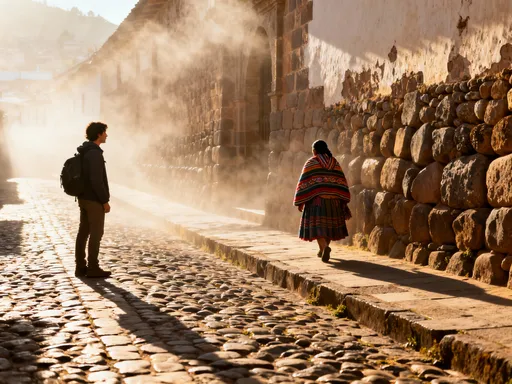
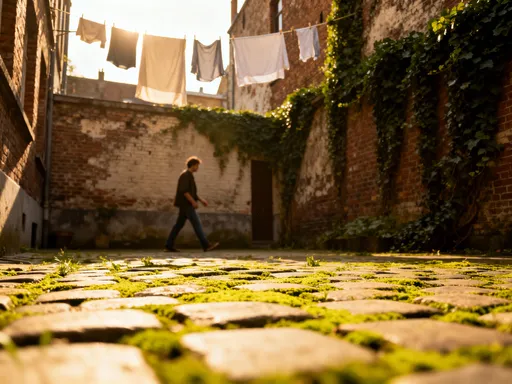
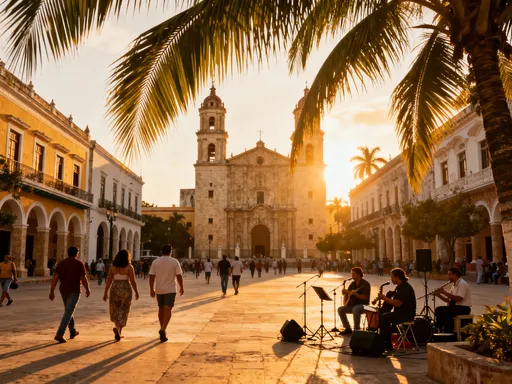
Beyond the well-trodden paths of the Plaza de Armas and the Cathedral lies a quieter, more intimate Cusco—one revealed only to those who wander without urgency. The city’s historic center is a labyrinth of cobblestone alleys, each turn offering a glimpse into its layered past. One such place is the serene garden behind Qorikancha, the ancient Temple of the Sun. Once the most important religious site in the Inca Empire, it now houses a Dominican convent, but the original stonework remains breathtaking. The precision of the Inca masonry, with stones fitted so tightly no blade can slip between, speaks of a civilization that built to last and to honor the divine.
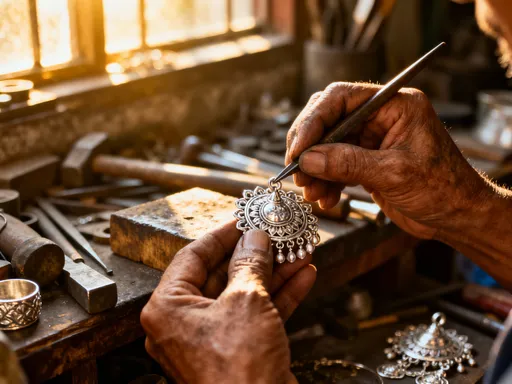
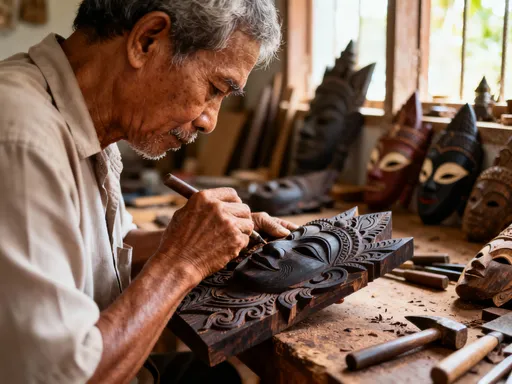
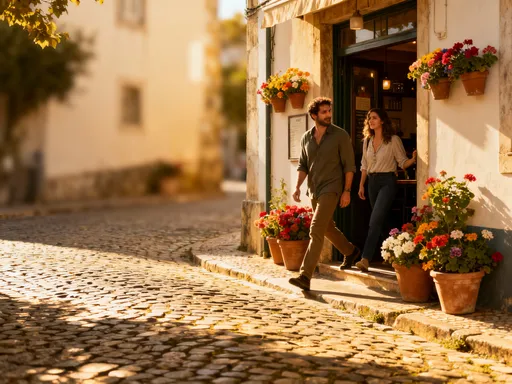
A short climb uphill leads to San Blas, often called the artists’ quarter. This neighborhood is not a curated tourist zone but a genuine community where creativity flourishes. Narrow streets open into small plazas where painters display their work, and workshops spill onto sidewalks with the scent of wet clay and natural dyes. One might stumble upon a woodcarver shaping a retablo (a traditional religious diorama), or a musician tuning a charango before an evening performance. There are no entrance fees, no guided tours—just the organic flow of art and life.
Equally revealing are the family-run tambos—small, unassuming eateries tucked into courtyards or basements. These are not listed in travel apps, but they serve some of the most authentic Andean food in the city. A simple sign might read “Comida Casera” (Home Cooking), and inside, a grandmother might serve stewed alpaca with quinoa and roasted potatoes. The walls are often adorned with family photos and religious icons, creating a space that feels more like a home than a restaurant. These places thrive on loyalty, not advertising, and they welcome respectful visitors as long as they come with openness, not entitlement.
The true magic of these hidden corners lies in their sensory richness. The smell of roasting cuy (guinea pig), a traditional delicacy, mingles with woodsmoke and eucalyptus. At dusk, the sound of pan flutes drifts from a street musician near the San Blas Church. Running a hand along a 500-year-old wall, one can feel the cool, uneven surface shaped by time and countless touches. These details are not highlighted on maps, but they form the soul of the city. They are discovered not through planning, but through patience and curiosity.
Markets as Cultural Heartbeats
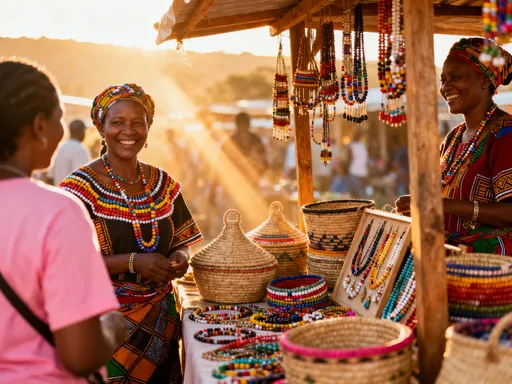
If Cusco has a pulse, it beats strongest in its markets. San Pedro Market, open daily beneath a colonial arcade, is a symphony of color, scent, and sound. Rows of stalls overflow with purple corn, golden lucuma fruit, bundles of medicinal herbs, and wheels of aged cheese from the high plains. Vendors, mostly women known affectionately as mamas, sit behind their displays with quiet dignity, their faces lined with years of sun and labor. To bargain here is not a transaction; it is a conversation, often beginning with a smile and a simple “Buenos días.”
San Pedro is not the only market worth visiting. Lucrepata, slightly outside the center, offers a more local experience, where residents from surrounding villages come to sell their harvests. Neighborhood ferias (street markets) appear each morning in different districts, transforming quiet plazas into bustling hubs of exchange. These spaces are not designed for tourists, yet they welcome those who come with respect. A traveler might taste chicha morada, a sweet drink made from purple corn, cinnamon, and cloves, offered with a smile by a vendor who explains its role in family gatherings. Or they might learn about wayra (wind) medicine, a traditional practice that links health to natural elements, from an elder selling dried herbs.
What makes these markets so valuable is their authenticity. They are not sanitized or staged; they are working spaces where families earn their livelihoods. Children help arrange vegetables, dogs nap under tables, and neighbors catch up between sales. The food sold here is grown in nearby valleys, harvested by hand, and brought to market in woven baskets. To eat from these stalls is to support local agriculture and to taste food at its most honest.
More than that, markets are classrooms. They teach about seasonal cycles, regional specialties, and the deep connection between land and life. A traveler might learn that oca, a bright tuber, is traditionally planted with potatoes to deter pests, or that muña, a mint-like herb, is used for digestion and altitude sickness. These lessons are not delivered in lectures but emerge through casual exchanges. The market, in this way, becomes a living archive of Andean knowledge, preserved not in books, but in practice.
Sacred Valleys, Not Just Sightseeing
The Sacred Valley of the Incas, stretching from Pisac to Ollantaytambo, is often treated as a day-trip destination, crisscrossed by tour buses and packed with visitors. But when approached with intention, it becomes a place of deep resonance and learning. Rather than rushing through ruins, mindful travelers choose to stay overnight in a village, waking before dawn to walk the terraces as mist rises from the Urubamba River. In these quiet hours, the sites feel less like attractions and more like sanctuaries.
Pisac, known for its expansive agricultural terraces and archaeological complex, is especially powerful at sunrise. With few visitors present, one can walk the stone paths and imagine the hands that built them, the farmers who cultivated them, and the astronomers who aligned them with celestial events. Later in the day, the Pisac market draws artisans from across the region, offering a chance to meet the people whose ancestors shaped this land. Ollantaytambo, a living Inca town, remains largely unchanged in layout for over 500 years. Its grid of streets follows original Inca design, and many homes are built atop ancient foundations. To wander here is to walk through living history.
Equally profound is Moray, a site of mysterious circular terraces believed to have been an agricultural laboratory. The microclimates created by its concentric rings allowed the Incas to test crops at different elevations. Today, farmers in the region still use traditional methods passed down through generations, rotating crops and using natural fertilizers. Sharing a cup of api, a warm spiced corn drink, with a local farmer offers insight into this enduring knowledge. These conversations reveal that Inca wisdom is not ancient history—it is living practice.
By reframing these visits as immersive experiences rather than checklist tourism, travelers gain a deeper appreciation for Andean ingenuity. The water channels, terraces, and astronomical alignments were not built for show; they were solutions to real challenges. To understand them is to respect the intelligence and resilience of the people who created them. And when visitors support community-led tours or stay in family-run lodges, they contribute to sustainable tourism that benefits local residents.
Food as Cultural Conversation
In Cusco, food is not merely sustenance—it is a form of storytelling. Each dish carries history, geography, and identity. Lomo saltado, a beloved stir-fry of beef, tomatoes, and fries served with rice, reflects the fusion of Andean and Asian influences brought by Chinese immigrants in the 19th century. Oca and ulluco, colorful tubers grown in the highlands, have been cultivated for thousands of years and remain staples in rural diets. Chuño, freeze-dried potatoes, were developed by the Incas as a way to preserve food at high altitudes and are still used in stews today.
The way meals are served also tells a story. In family-run picanterías, dining is a slow, social affair. Courses unfold over hours, often accompanied by live folk music played on quenas (Andean flutes) and charangos. Meals begin with a small appetizer, or picante, and progress through hearty stews and fresh salads. There is no pressure to turn over tables; the rhythm is set by the guests. These spaces are often multigenerational, with children playing in corners and elders sharing proverbs between bites.
Eating locally sourced food is not only delicious but also an ethical choice. Many restaurants now partner with nearby farms to serve organic quinoa, alpaca meat, and native potatoes. By choosing these establishments, travelers support sustainable agriculture and reduce the environmental impact of imported goods. More importantly, they honor the culinary traditions that have sustained Andean communities for centuries.
For the mindful visitor, a meal is an opportunity to connect. Asking the cook about a dish’s origins, complimenting a grandmother on her soup, or simply sharing a table with locals can lead to meaningful exchanges. In these moments, food becomes a bridge between cultures, a shared language of care and hospitality.
Traveling with Intention: How to Respectfully Engage
Traveling mindfully in Cusco requires more than good intentions—it demands conscious choices. Learning a few basic phrases in Quechua or Spanish shows respect and opens doors. Simple courtesies like asking permission before photographing someone, especially elders or children, go a long way in building trust. In many Andean communities, photography is seen as capturing part of the soul, so consent is not just polite—it is essential.
Supporting community tourism initiatives is another way to travel responsibly. These programs, often run by cooperatives, offer guided walks, weaving demonstrations, and homestays that directly benefit local families. Unlike mass tourism, which often funnels profits to foreign-owned companies, community tourism ensures that income stays within the region. It also allows for more authentic interactions, as visitors are welcomed into homes and daily life.
Equally important is avoiding “poverty tourism”—the practice of treating hardship as spectacle. Cusco and its surrounding villages are not exhibits. People are not props. Traditions are not performances. When travelers approach culture with curiosity rather than condescension, they foster mutual respect. This means dressing modestly when visiting sacred sites, refraining from touching ceremonial objects, and never bargaining disrespectfully in markets.
Finally, leaving no trace is a core principle of ethical travel. This includes not littering, minimizing plastic use, and respecting natural sites. But it also means leaving a positive imprint through kindness, gratitude, and genuine connection. When travelers move through Cusco with humility and heart, they become part of its ongoing story.
Cusco teaches that the deepest journeys aren’t measured in miles, but in moments of connection. When you slow down, the city reveals itself not as a destination, but as a dialogue across time, culture, and heart. Let your visit be a gesture of curiosity, not conquest. In doing so, you don’t just see Cusco—you become part of its living story.