You Won’t Believe What I Found in Kalkan’s Hidden Coves
Nestled along Turkey’s Turquoise Coast, Kaş offers more than just postcard-perfect views—it delivers raw, untouched natural beauty that stirs the soul. From crystal-clear waters to rugged mountain trails, every moment here feels like stepping into a living landscape painting. I’ll take you through the real magic of Kaş, where nature doesn’t just surround you—it speaks to you. This is not a destination designed for crowds or flashy resorts, but a place where the sea still tastes of salt and solitude, where the mountains rise like ancient sentinels, and where every hidden cove feels like a secret whispered from the earth itself. Here, travel becomes less about movement and more about presence.
Arrival in Kaş: First Impressions of a Coastal Gem
Approaching Kaş by road, the journey unfolds like a slow reveal. The coastal highway winds along steep cliffs, offering sudden glimpses of turquoise water far below. As you descend into the town, the white-washed buildings cling to the hillside like barnacles on stone, their red-tiled roofs glowing in the Mediterranean sun. Bougainvillea spills over stone walls in bursts of magenta and coral, and the air carries the crisp scent of pine trees mixed with the briny freshness of the sea. The sound of waves lapping against small fishing boats fills the harbor, where wooden gulets rock gently at anchor.
Kaş is not grand or polished in the way of more commercialized resorts. There are no towering hotels or neon signs. Instead, its charm lies in its restraint—its narrow cobblestone streets, family-run cafes serving strong Turkish coffee, and the unhurried rhythm of daily life. Unlike busier coastal towns, Kaş has preserved its authenticity. Locals greet each other by name, and visitors are welcomed with quiet warmth rather than aggressive sales pitches. This balance of accessibility and serenity is rare, and it’s what makes the first impression so powerful.
Arriving by sea offers another perspective. Sailing into the harbor at dawn, the town appears as a delicate silhouette against the rising sun. The water is so clear that even at a distance, you can see the shapes of fish darting between submerged rocks. The absence of large cruise ships means the bay remains calm, almost sacred in its stillness. Whether you come by land or sea, the feeling is the same: you’ve arrived somewhere special, a place that hasn’t surrendered to mass tourism but has instead chosen to protect its soul.
The Turquoise Coast: Understanding Its Natural Significance
The stretch of southern Turkey known as the Turquoise Coast—part of the ancient Lycian region—is more than just a scenic backdrop. It is a geologically dynamic zone shaped by millions of years of tectonic movement, coastal erosion, and Mediterranean climate patterns. The limestone cliffs that rise sharply from the sea are remnants of ancient seabeds pushed upward by shifting plates, creating a dramatic, terraced landscape where land and water are in constant dialogue. This unique formation contributes to the region’s extraordinary water clarity, one of the defining features of its natural appeal.
The clarity of the sea here is not accidental. Limited river runoff, minimal industrial development, and low nutrient levels in the water reduce sediment and algal blooms, allowing sunlight to penetrate deep below the surface. Underwater visibility often exceeds 30 meters, making it ideal for snorkeling and diving. This transparency is not just beautiful—it supports a thriving marine ecosystem. Seagrass meadows, particularly those of Posidonia oceanica, anchor the seabed and serve as nurseries for countless fish species. These underwater prairies are vital to the health of the Mediterranean, absorbing carbon and stabilizing coastal zones.
Marine biodiversity in the area is remarkable. The rocky coves and submerged cliffs provide habitats for octopuses, groupers, damselfish, and moray eels. Sea turtles, including the endangered loggerhead (Caretta caretta), are known to frequent nearby waters, especially during nesting season. The region also hosts a variety of endemic species—creatures found nowhere else—due to its isolation and unique environmental conditions. Conservation efforts are ongoing, with marine protected areas helping to limit overfishing and anchor damage. The Turquoise Coast is not just a vacation spot; it is a living, breathing ecosystem that deserves both admiration and protection.
Exploring the Sea: Snorkeling and Boat Trips to Hidden Bays
One of the most intimate ways to experience Kaş is from the water. Local boat operators offer daily excursions along the coast, departing from the harbor in the early morning when the sea is calmest. These small-group tours typically use traditional wooden gulets, many of which have been retrofitted with eco-friendly practices such as solar-powered lighting and waste-recycling systems. The routes often follow the natural contours of the coastline, stopping at secluded bays where swimming and snorkeling are the main attractions.
The snorkeling conditions around Kaş are exceptional. In sheltered coves, the water remains still and glassy, allowing for effortless floating and clear views of the underwater world. The temperature, ranging from 22°C in late spring to 28°C in late summer, is comfortable for extended time in the water. Beneath the surface, rocky outcrops are draped with colorful algae, and crevices hide octopuses that change color in seconds to match their surroundings. Schools of silvery fish dart through sunlit corridors, while sea urchins cling to submerged stones in clusters of deep purple and black.
One of the most memorable experiences is swimming in a bay where the only sounds are your own breath and the gentle lapping of waves. There are no loudspeakers, no jet skis, no crowds—just the quiet hum of nature. Some tours include stops at freshwater springs that bubble up from the sea floor, creating a surreal mix of cool and warm water. These natural phenomena are rare and highlight the region’s geological uniqueness. Operators emphasize responsible tourism, encouraging guests to avoid touching coral or disturbing marine life. Life jackets and snorkeling gear are provided, making these trips accessible even for beginners or those with limited swimming confidence.
For those seeking a more personalized experience, private boat charters allow for flexible itineraries and the chance to discover lesser-known inlets. Some of these hidden spots can only be reached by sea, their entrances narrow and unmarked. Arriving at one feels like uncovering a secret—a crescent-shaped beach framed by cliffs, where the water shimmers in shades of emerald and sapphire. These moments of discovery are what make Kaş unforgettable.
Hiking the Lycian Way: Where Land Meets Sky
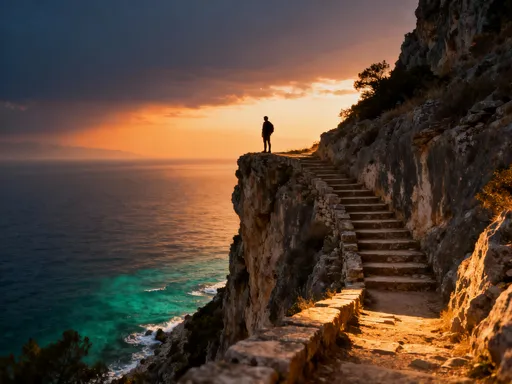
For those who prefer to explore on foot, the Lycian Way offers one of the world’s great long-distance hiking trails. Stretching over 500 kilometers from Fethiye to Antalya, this ancient path follows the footsteps of the Lycian people, who inhabited this rugged coast over 2,000 years ago. The section passing through Kaş is among the most scenic, offering panoramic views of the Mediterranean and access to remote archaeological sites tucked into the hillsides.
A full-day hike from Kaş to a nearby village takes you along narrow stone paths that wind through pine forests, olive groves, and terraced fields. The trail is well-marked with painted blazes, but the terrain can be challenging in places—steep ascents, loose gravel, and exposed sections require sturdy footwear and a moderate level of fitness. However, the effort is richly rewarded. At every turn, the vista opens wider: the deep blue of the sea below, the silhouette of distant islands, and the jagged peaks of the Taurus Mountains rising in the east.
The flora along the trail is as captivating as the views. Wild thyme grows in abundance, releasing its fragrance with every step. Oleander blooms in pink clusters beside dry stone walls, and fig trees offer shade in the midday sun. In spring, the hills are carpeted with wildflowers—purple irises, yellow poppies, and delicate rock roses. Birdlife is plentiful, with kestrels circling overhead and warblers flitting through the underbrush. Seasonal hikers will find the best conditions in spring and autumn, when temperatures are mild and the risk of summer heat exhaustion is low.
Walking the Lycian Way is more than physical exercise; it is a journey through time and terrain. You pass by the ruins of ancient tombs carved into cliff faces, stone cisterns from forgotten settlements, and the remnants of Roman roads. These silent witnesses to history deepen the sense of connection—to the land, to those who came before, and to the enduring power of nature. The trail does not conquer the landscape; it moves with it, respecting its contours and rhythms. For many, this is the essence of meaningful travel: not to dominate a place, but to move through it with reverence.
Dawn at the Amphitheater: A Moment of Stillness
One of the most transcendent experiences in Kaş happens before most tourists are awake. Just above the town stands the remains of an ancient Greek theater, perched on a hillside with a sweeping view of the sea. Built in the 4th century BCE, it once hosted performances and civic gatherings. Today, it serves as a silent observatory for those seeking stillness.
Arriving at sunrise, the air is cool and crisp, carrying the faint scent of wild herbs. The sky shifts from indigo to soft gold, and the first rays of sunlight strike the water, turning it into a mirror of light. Fishing boats glide across the bay like shadows, their engines barely audible. The theater itself is quiet, its stone seats worn smooth by time. Sitting in the front row, you feel suspended between past and present, earth and sky.
This is not a moment for photos or social media. It is a moment for presence. The absence of noise—the lack of crowds, announcements, or distractions—creates space for reflection. You begin to notice small details: the way the light catches the edge of a wave, the distant call of a seabird, the warmth slowly spreading across your skin. In this stillness, travel transforms. It is no longer about collecting experiences but about allowing them to collect you.
Such moments are rare in modern life, where speed and stimulation dominate. But in Kaş, they are possible. The town’s refusal to overdevelop, its commitment to preserving quiet spaces, makes these experiences accessible. The amphitheater at dawn is not a performance; it is an invitation—to listen, to breathe, to remember that beauty does not need to be loud to be powerful.
Local Nature Guardians: Sustainable Tourism in Action
The preservation of Kaş’s natural beauty is not accidental. It is the result of deliberate choices made by the local community. Over the past two decades, residents, business owners, and municipal leaders have worked together to promote sustainable tourism practices that protect the environment without sacrificing economic vitality. Their efforts reflect a deep understanding that the town’s greatest asset is not its shops or restaurants, but its landscape.
One of the most visible initiatives is the regular beach clean-up program. Volunteers gather monthly to remove plastic debris, fishing nets, and other waste washed ashore by currents. These events are not just practical—they are educational, drawing both locals and visitors into a shared responsibility for the coast. Schools participate, and children learn early about the impact of pollution on marine life. The message is clear: beauty must be cared for, not just admired.
To protect seagrass beds, which are critical to marine health, mooring restrictions have been implemented in sensitive bays. Instead of allowing boats to drop anchors that can tear up the seabed, permanent mooring buoys have been installed. These buoys are maintained by local cooperatives and funded through small usage fees, creating a self-sustaining conservation model. Many boat tour operators now emphasize eco-certifications, using electric tenders and banning single-use plastics on board.
On land, eco-conscious guesthouses and boutique hotels are leading by example. Some use solar panels for hot water, others collect rainwater for irrigation. Menus in local restaurants increasingly highlight seasonal, locally sourced ingredients—fresh fish caught daily, organic vegetables from nearby farms, and herbs gathered from the hills. These practices are not marketed as trends but as natural extensions of a way of life that values balance and respect.
What’s remarkable is that sustainability here does not mean sacrifice. Visitors still enjoy comfort, delicious food, and rich experiences—often more so, because the environment feels genuine and unspoiled. The community has proven that responsible tourism can enhance, rather than limit, the quality of a destination. In Kaş, caring for nature is not a burden; it is a point of pride.
Why Kaş Changes How You See Nature
Spending time in Kaş does more than create memories—it shifts perspective. In a world where nature is often treated as a backdrop or a resource, Kaş reminds us that it can be the main character. Here, the sea is not just for swimming, the mountains not just for viewing. They are forces to be felt, listened to, and learned from. The rhythm of life moves with the tides and the seasons, not with schedules and notifications.
This immersion changes how you see other places, too. After Kaş, a crowded beach feels noisy, a polluted bay feels wrong, a generic resort feels hollow. You begin to notice what is missing—the silence, the clarity, the sense of belonging. Travel becomes less about ticking off destinations and more about seeking depth. You start to ask not just where you’re going, but how you’re moving through the world.
Kaş teaches that true beauty lies in balance. It shows that development and preservation can coexist when guided by respect. It proves that small actions—choosing a responsible tour, refusing a plastic bottle, hiking instead of driving—add up to meaningful change. Most of all, it reminds us that nature is not something to conquer or decorate with, but something to listen to.
So as you plan your next journey, consider this: seek places where the wild still speaks. Choose destinations that challenge you to slow down, to pay attention, to leave only footprints. Let Kaş be not just a place on a map, but a mindset—a reminder that the most powerful travels are not those that change your location, but those that change how you see. And when you find a hidden cove, a quiet trail, a sunrise over ancient stone, pause. Listen. The earth has something to say.