Hidden Gems of Sihanoukville: Where Local Crafts Tell a Story
You know that feeling when you stumble upon something no tourist guide mentions? That’s Sihanoukville’s secret charm—not just beaches and bars, but quiet alleys where artisans shape stories in wood, silk, and clay. I went looking for sunsets, but found soul instead. This coastal town holds quiet markets and family-run stalls selling handmade treasures most travelers never see. Let me take you beyond the postcard spots to where real culture lives—through the特色商品 that carry Cambodia’s heartbeat.
Beyond the Beaches: Discovering Sihanoukville’s Under-the-Radar Culture
Sihanoukville is often reduced to a coastal stopover—a place for quick beach escapes, seaside cocktails, and weekend getaways. While its golden sands and turquoise waters are undeniably inviting, this simplified image overlooks a deeper layer of cultural richness. Beyond the well-trodden paths of Serendipity and Ochheuteal lies a quieter, more intimate side of the town, where tradition is preserved not in museums, but in the hands of everyday artisans. These craftspeople keep Cambodia’s heritage alive through skills passed down for generations, working in small workshops tucked behind market lanes or in family homes with open doors and warm smiles.
What makes this hidden culture so valuable is its authenticity. Unlike mass-produced souvenirs sold in strip malls or online marketplaces, the items crafted here are made with intention, using locally sourced materials and time-honored methods. Travelers who take the time to explore these creative corners often leave not just with beautiful objects, but with memories of personal connections—of watching a weaver guide silk through a loom, or seeing a potter shape wet clay into a vessel destined for a family kitchen. These experiences offer a rare depth that beach lounging alone cannot provide.
There has been a growing shift among mindful travelers—especially women between 30 and 55 who value meaningful experiences over checklist tourism—toward seeking out genuine cultural interactions. They are not just looking for things to buy, but stories to carry home. This desire has helped sustain small craft communities in Sihanoukville, allowing them to thrive despite the dominance of commercial tourism. When visitors choose to spend their time and money on local artistry, they become part of a quiet movement that values preservation over profit, and human connection over convenience.
The Artisans Behind the Craft: Faces of Local Creativity
At the heart of Sihanoukville’s craft scene are the artisans—often women and elders—who work with quiet dedication in modest spaces. Many of these creators operate out of home-based workshops, where the rhythm of daily life blends seamlessly with the act of making. In neighborhoods like Prek Treng and Otres, it’s common to see grandmothers teaching grandchildren how to knot silk threads or shape clay by hand. These intergenerational exchanges are not just about skill transfer; they are acts of cultural stewardship, ensuring that traditions survive in a rapidly modernizing world.
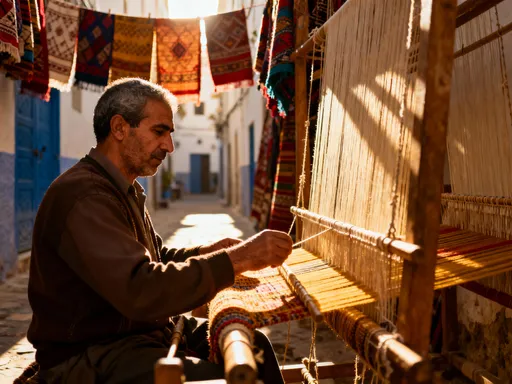
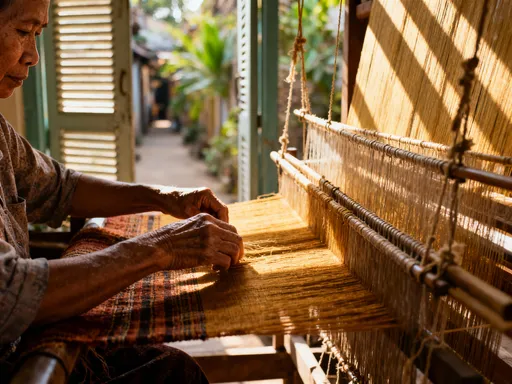
One such artisan is Meas, a 62-year-old weaver who has spent over four decades mastering the art of Cambodian ikat. Her small studio, little more than a shaded porch with a hand-built loom, is where she creates intricate scarves and shawls using natural dyes extracted from tree bark, leaves, and roots. Each piece takes days to complete, with every thread carefully positioned to form symbolic patterns—some inspired by temple carvings, others drawn from nature or ancestral myths. Meas does not advertise online or sell in tourist boutiques; instead, she relies on word-of-mouth and the occasional visit from curious travelers who follow recommendations from local guesthouses.
Supporting independent makers like Meas has a ripple effect. When travelers buy directly from artisans, they cut out middlemen who often take the majority of profits. This means more income stays within the community, helping families afford education, healthcare, and home improvements. It also sends a powerful message: that handmade work has value, and that preserving cultural heritage is worth investing in. Choosing authentic crafts over imported trinkets is not just a shopping decision—it’s a quiet act of respect and solidarity.
Handwoven Stories: The Allure of Cambodian Silk and Textiles
Cambodian silk is renowned for its luster, strength, and symbolic depth. In Sihanoukville, this tradition is kept alive by a small but dedicated group of weavers who continue to use traditional techniques, including the complex chong kiet (ikat) method, where threads are tie-dyed before weaving to create precise, flowing patterns. These textiles are not merely decorative; they are cultural records, with motifs that speak of protection, prosperity, and spiritual balance. A diamond-shaped design might represent the eye of a guardian spirit, while swirling vines echo the rhythms of nature and the cycles of life.
Visitors can find handwoven pieces at local morning markets or through community cooperatives that partner with ethical tourism initiatives. Unlike factory-made imitations, genuine Cambodian silk feels substantial and warm to the touch, with subtle variations in color and texture that reveal its handmade origin. Scarves, stoles, and lightweight blouses are popular choices, but some artisans also create fabric by the yard, allowing travelers to bring home material for custom sewing projects. For many women, these textiles become cherished heirlooms—pieces they later pass down, along with the stories of where and how they were made.
When shopping for silk, it’s important to know what to look for. Authentic handwoven silk will have slight irregularities—these are not flaws, but signs of craftsmanship. Natural dyes, such as those derived from jackfruit wood or indigo plants, produce colors that deepen over time rather than fade. Vendors who can explain their process, name their dyes, or demonstrate weaving techniques are more likely to be selling genuine products. A simple question like “Did you make this yourself?” can open a conversation that leads to a richer understanding—and a more meaningful purchase.
From Earth to Object: Ceramics and Pottery with Purpose
Pottery in Cambodia has ancient roots, dating back to the Khmer Empire, where ceramic vessels were used for storage, ritual, and daily meals. Today, this tradition lives on in the quiet studios of Sihanoukville, where potters shape clay into functional art that honors both beauty and utility. Unlike mass-produced ceramics, these hand-thrown pieces are unique—each bowl, cup, or vase bearing the subtle imprint of the maker’s hands. Some artists incorporate traditional Khmer motifs, such as lotus blossoms or apsara dancers, into their glazes, while others focus on minimalist forms that highlight the natural texture of the clay.
One such studio, located just off the main road near Independence Beach, invites visitors to observe the full process—from wedging the clay to firing in wood-burning kilns. The owner, a former monk who turned to pottery as a form of meditation, welcomes small groups by appointment. Guests are encouraged to try their hand at the wheel, an experience that many describe as grounding and surprisingly calming. Even those who don’t succeed in shaping a perfect bowl often leave with a new appreciation for the patience and precision required in this craft.
These ceramic works serve more than aesthetic purposes. Many are designed for everyday use—rice bowls, tea sets, storage jars—making them ideal souvenirs for travelers who want to bring a piece of Cambodian life into their own homes. Because they are made from locally sourced clay and fired using sustainable methods, they also represent an eco-conscious choice. When you purchase a handcrafted pot, you’re not just acquiring an object; you’re supporting a practice that respects both people and the planet.
Carved with Care: Woodcraft That Stands the Test of Time
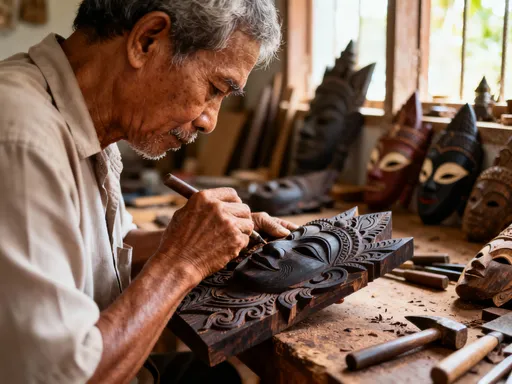
Wood carving is another enduring craft in Sihanoukville, with roots in both religious and domestic traditions. Skilled carvers transform reclaimed teak, mango, and rosewood into intricate masks, wall panels, and decorative boxes. These items often feature mythological figures—such as the protective garuda or the wise monkey god Hanuman—or scenes from daily village life, rendered with expressive detail. The craftsmanship is meticulous: a single mask can take weeks to complete, with every curve and contour shaped using hand tools passed down through generations.
One notable workshop in the Otres area specializes in sustainable woodcraft. The artisans here use only reclaimed or fallen timber, ensuring that no new trees are cut for their creations. They also avoid chemical finishes, opting instead for natural oils that enhance the wood’s grain while protecting it over time. This commitment to sustainability resonates with environmentally conscious travelers, who appreciate knowing their purchase does not contribute to deforestation.
For buyers, distinguishing authentic carvings from imported imitations requires attention to detail. Hand-carved pieces will have slight asymmetries and tool marks, while machine-made versions tend to be perfectly uniform. The weight is also a clue—genuine hardwood carvings feel substantial, not lightweight or hollow. When in doubt, ask about the wood source and carving process. Artisans are usually proud to share their methods and will gladly explain the story behind a particular piece. These conversations often become the most memorable part of the shopping experience, turning a simple transaction into a shared moment of connection.
Markets Off the Radar: Navigating Sihanoukville’s Craft Hubs
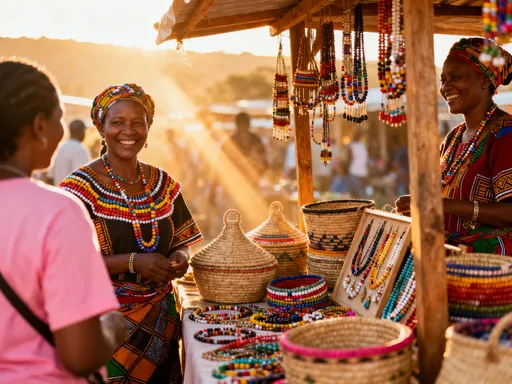
While Sihanoukville’s main tourist streets are lined with shops selling mass-produced souvenirs, the true craft hubs are found elsewhere—early morning markets, community fairs, and seasonal pop-up events hosted by local cooperatives. The Phsar Leu morning market, for example, opens at dawn and bustles with locals buying produce, spices, and handmade goods. It’s here that you’ll find elderly women selling embroidered napkins, or teenage siblings offering hand-painted notebooks made from recycled paper. These items may not look flashy, but they carry the quiet dignity of honest labor.
Another hidden gem is the monthly Artisan Circle fair, held in a community hall near the Independence Beach pagoda. This event brings together makers from across the province, offering everything from hand-stitched quilts to bamboo lanterns. Unlike commercial markets, bargaining is minimal here—prices are fair and reflect the true cost of materials and time. Visitors are treated as guests, often offered tea or fruit while they browse. The atmosphere is warm and unhurried, a refreshing contrast to the pressure-cooker vibe of tourist-centered bazaars.
For those planning a visit, timing matters. Early mornings are ideal for market trips, when temperatures are cooler and vendors are most engaged. Public transport, such as local tuk-tuks or shared minivans, is both affordable and authentic, offering a glimpse into daily life. If possible, visit during festival seasons—such as Pchum Ben or Khmer New Year—when craft displays are especially vibrant and communities open their doors to visitors. A little research, a respectful attitude, and a willingness to wander off the beaten path can lead to discoveries no guidebook could predict.
Travel That Gives Back: Why Choosing Local Crafts Matters
Every purchase has power. When travelers choose locally made crafts over imported souvenirs, they contribute directly to the livelihoods of families and communities. In Sihanoukville, where tourism income is often concentrated in large hotels and foreign-owned businesses, supporting independent artisans helps redistribute wealth in a more equitable way. A $20 scarf bought from a weaver might cover a week’s groceries for her family; a $50 ceramic set could help send a child to school. These are not exaggerated claims—they are real outcomes witnessed by NGOs and community leaders working on the ground.
Beyond economics, buying local crafts helps preserve intangible cultural heritage. As younger generations face pressure to migrate to cities or pursue modern careers, the survival of traditional skills depends on demand. When travelers show interest in handmade textiles, pottery, or woodwork, they signal that these arts matter—that they are not relics of the past, but living traditions worthy of continuation. This validation can inspire young people to learn from elders, ensuring that knowledge is not lost.
For the traveler, the reward is equally profound. A souvenir that carries a story—a name, a place, a conversation—becomes more than an object. It becomes a touchstone, a way to remember not just a place, but a connection. It reminds us that travel is not just about where we go, but how we engage. When we choose to seek out authenticity, to listen, to learn, and to support with intention, we transform our journeys from passive sightseeing into active participation in cultural preservation.
Conclusion
True travel is not measured in photos taken or landmarks checked off, but in moments of genuine human connection. Sihanoukville, with its sun-drenched shores and hidden workshops, offers a rare opportunity to go deeper—to move beyond the surface and discover the quiet pulse of Cambodian life. The artisans who shape silk, mold clay, and carve wood are not performers for tourists; they are custodians of culture, working with pride and purpose in the spaces they call home.
When you choose to buy a locally made craft, you do more than acquire a keepsake. You honor a tradition. You support a family. You become part of a story that stretches across generations. And in return, you carry home something far more valuable than any mass-produced trinket: a memory woven with meaning, a piece of art that whispers of hands that shaped it, and a reminder that the most beautiful souvenirs are those that give back.
So the next time you find yourself in Sihanoukville, let curiosity guide you past the beach bars and souvenir stalls. Wander into the quiet lanes. Follow the sound of a loom or the scent of wet clay. Say hello. Ask a question. Let the journey unfold not as a schedule, but as a series of small, heartfelt discoveries. Because the soul of a place is not in its postcards—it’s in the hands of those who make it, one careful stitch, one gentle stroke, at a time.