You Won’t Believe What I Found in Tangier’s Hidden City Streets
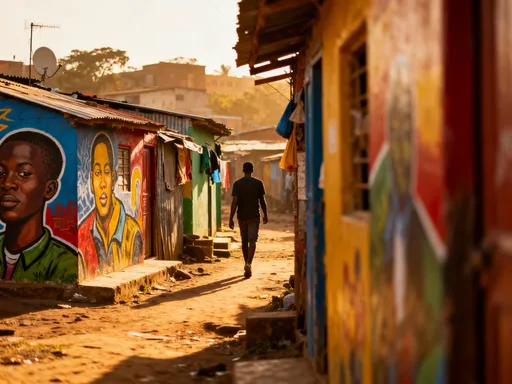
Walking through Tangier’s city blocks feels like flipping through a living marketplace diary—every corner tells a story. I didn’t go looking for treasures, but the streets handed them to me anyway. From handwoven rugs to spice stalls bursting with color, shopping here isn’t transactional—it’s an immersion. This is where culture meets commerce in the most authentic way. The air hums with the scent of cumin and fresh mint, voices rise in rhythmic Arabic and French, and the golden light of late afternoon glints off brass lanterns hanging in doorways. Tangier does not present itself all at once; it reveals itself slowly, in fragments—a folded fabric, a shared cup of tea, a smile from a shopkeeper who remembers your name. For travelers seeking more than souvenirs, this coastal gateway between Africa and Europe offers a rare depth of connection through everyday exchange.
First Impressions: Stepping Into Tangier’s Urban Pulse
Arriving in Tangier by train from Rabat or Casablanca, one is immediately met with the city’s layered energy. The station itself, modest yet orderly, opens onto a scene of gentle chaos—petit taxis honking in polite succession, porters balancing luggage on wooden carts, and locals moving with the practiced ease of those who know exactly where they’re going. As you step into the wider streets, the city unfolds in a blend of colonial architecture and vibrant street life. Buildings painted in ochre, seafoam green, and faded terracotta rise above narrow sidewalks where vendors display everything from oranges to phone chargers. This is not a city designed for haste. Its rhythm is measured, not rushed, shaped by centuries of cross-cultural exchange along the Strait of Gibraltar.
Tangier’s position as a cultural crossroads has long defined its commercial character. Situated at the northern tip of Morocco, just twelve miles from Spain, it has absorbed influences from Berber, Arab, Andalusian, French, and British traditions. This fusion is especially evident in its marketplaces, where the boundaries between daily necessity and artistic expression blur. Unlike more tourist-centric cities such as Marrakech or Fes, Tangier retains a strong sense of local life in its shopping districts. While visitors are welcome, the medina and surrounding neighborhoods are not staged performances. People come here to buy bread, repair shoes, and meet neighbors. The commerce is real, rooted in routine, and this authenticity is what makes the experience so compelling.
The contrast between neighborhood markets and tourist-centered shops is subtle but distinct. In the Petit Socco and around the Grand Socco, one finds a mix of both worlds—vendors catering to foreigners with polished displays of leather goods and argan oil, while just a few alleys deeper, locals gather at fruit stands and spice counters for their weekly provisions. The true heartbeat of the city lies in these in-between spaces, where the commercial and the communal coexist. It is here that visitors who wander with curiosity and respect are often rewarded—not just with unique finds, but with moments of genuine human connection.
The Heartbeat of Commerce: Exploring the Medina’s Shopping Alleys
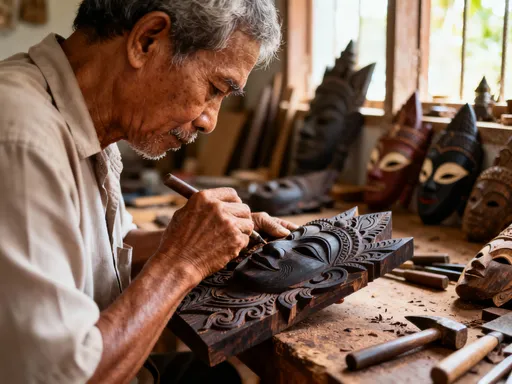
The medina of Tangier, though smaller than those in other Moroccan cities, pulses with an intimacy that larger souks often lack. Its narrow lanes twist like ribbons through centuries-old walls, opening suddenly into small plazas where children play and cats nap in sunlit corners. Walking through this labyrinth, one is surrounded by sensory richness—the rustle of silk, the clink of copper, the deep reds and indigos of hand-dyed wool. Each alley specializes in particular crafts, a tradition that dates back to medieval guild systems. One passage might be lined with cobblers hammering leather sandals, another with woodcarvers etching intricate patterns into thuya wood boxes, while a third smells faintly of tanned hides from the leather merchants.
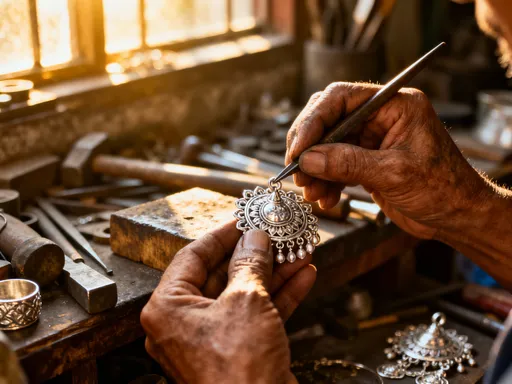
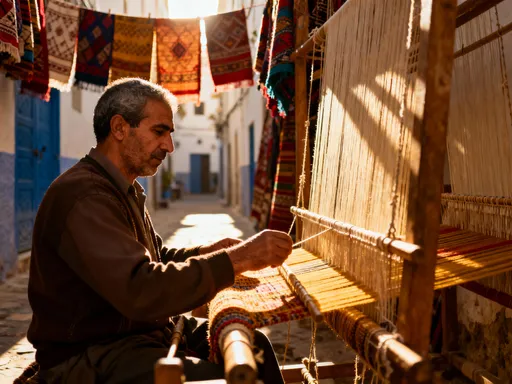
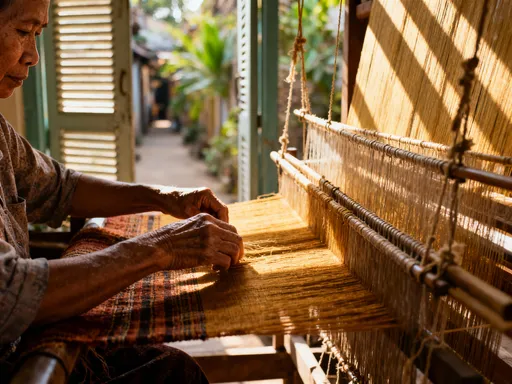
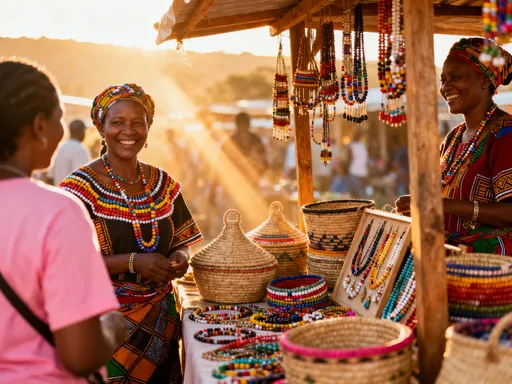
Textiles are among the most captivating offerings in the medina. Women in flowing djellabas sit beside bolts of fabric, unfurling lengths of handwoven cotton and wool in geometric Berber patterns. Many of these weavers come from mountain villages and travel to the city to sell their work directly or through family-run shops. Leather goods, too, are a hallmark of Tangier’s craftsmanship. Tanners still use natural dyes and age-old techniques, producing bags, belts, and poufs in rich tones of saffron, deep brown, and forest green. Ceramics from nearby Fes and Safi appear in small shops—hand-painted tagines and tea bowls in cobalt and gold—while local metalworkers shape lanterns with perforated designs that cast delicate shadows when lit.
What sets these goods apart is not just their beauty, but the continuity of tradition behind them. Product design often follows patterns passed down through generations, with motifs that carry symbolic meaning—protection, fertility, or prosperity. Pricing, too, reflects a cultural logic. While bargaining is expected, many artisans price with dignity, not opportunism. A weaver might explain that a rug took weeks to complete, not to justify a high price, but to share the story behind it. In this context, shopping becomes a form of cultural dialogue, where value is measured not only in dirhams but in time, skill, and heritage.
Beyond the Souks: Modern Retail in Tangier’s City Blocks
While the medina offers a glimpse into Morocco’s artisanal soul, Tangier’s modern neighborhoods reveal another side of its commercial evolution. In districts like Ville Nouvelle and the residential areas near the marina, small boutiques and family-run shops blend contemporary aesthetics with local sensibilities. These spaces cater to both Moroccans and expatriates, offering everything from minimalist clothing lines to curated home goods. Unlike the bustling energy of the souk, these shops often have quiet, gallery-like interiors where customers are invited to touch, try, and take their time. It is here that one sees the growing influence of Moroccan designers who are reinterpreting traditional crafts for modern lifestyles.
Locals often prefer these neighborhood spots for everyday shopping, where they can find fresh produce, quality pantry staples, and practical clothing without the pressure of tourist haggling. A small grocery in Rue de la Liberté, for instance, might stock imported olive oil alongside local honey and preserved lemons, its shelves neatly arranged and its owner greeting regulars by name. These are the places where visitors can truly blend in—buying a baguette for lunch, picking up a bar of olive oil soap, or asking for directions with a smile. The experience is low-key but deeply grounding, offering a sense of daily life that is often missing from guidebooks.
Perhaps most exciting is the rise of hybrid retail spaces—cafes that double as artisan showcases, pop-up markets in restored courtyards, and cultural centers that host weekend bazaars. A café in the Kasbah might feature a rotating display of ceramic artists, with pieces available for purchase beside the tea menu. On weekends, former riads open their inner gardens to local makers selling jewelry, textiles, and natural skincare. These spaces reflect a growing appreciation for craftsmanship among younger Moroccans and a desire to support sustainable, small-scale production. For the thoughtful traveler, they offer a chance to discover emerging talent while contributing directly to local livelihoods.
What to Buy (and What to Skip): A Practical Guide to Authentic Finds
For visitors seeking meaningful mementos, Tangier offers a wealth of authentic options. Among the most rewarding purchases are hand-dyed fabrics, particularly those made with natural pigments like henna, indigo, and saffron. These textiles, often woven in remote villages, carry the irregularities of human hands—a slight variation in stitch or hue that speaks to their handmade origin. Equally valuable is argan oil, a Moroccan staple produced primarily by women’s cooperatives in the south. When purchased from a reputable vendor, cold-pressed, unrefined argan oil is a luxurious addition to any home, prized for both culinary and skincare uses.
Berber pottery, with its earthy tones and hand-incised designs, is another excellent choice. Unlike mass-produced ceramics, each piece bears the mark of its maker, often shaped on a foot-powered wheel and fired in wood-burning kilns. Locally made soaps, too, are both practical and evocative—olive oil, eucalyptus, and rosemary soaps wrapped in simple paper make for light, fragrant souvenirs. These items not only reflect Morocco’s rich material culture but also support artisans who rely on their craft for income.
Yet not everything on offer is worth the investment. Mass-produced souvenirs—plastic keychains, machine-printed scarves, and imitation jewelry—lack the soul of authentic goods and often originate from outside Morocco. These items are typically found in shops near major tourist sites, where vendors may employ aggressive tactics to close a sale. Similarly, inflated prices targeted at foreigners can undermine the shopping experience, especially when paired with a lack of transparency. A simple rule of thumb is to observe what locals are buying; if a shop is frequented by Moroccans, it is more likely to offer fair value and genuine products.
To identify craftsmanship, look for imperfections. A rug with slightly uneven edges, a ceramic with subtle glaze variations, or a leather bag with hand-stitching are all signs of authenticity. Engage with vendors—ask where an item was made, who made it, and how long it took. Those who can answer with pride are usually worth supporting. Ultimately, the best purchases are not just beautiful, but meaningful—objects that carry a story and a connection to the people behind them.
The Art of Bargaining: How to Shop Like a Local
Bargaining is an expected and often enjoyable part of shopping in Tangier’s medina, but it is not a contest. It is, rather, a ritual of mutual respect—a dance of words and gestures that can lead to a fair price for both buyer and seller. The key is to approach it with patience and good humor. In most small shops and street stalls, prices are flexible, especially in the souks. However, fixed pricing is becoming more common in boutiques and modern retail spaces, particularly those catering to locals. Knowing the difference helps avoid awkwardness.
A successful negotiation begins with observation. Before making an offer, ask the vendor to show the item, examine it closely, and express genuine interest. When the price is quoted, it is common for foreigners to receive a starting point 30 to 50 percent above what a local might pay. A polite response might be, “That’s a beautiful piece. Do you have a better price for me?” This opens the door without confrontation. Offers should be reasonable—starting at half the quoted price is often appropriate, but not as a hard rule. The goal is not to win, but to reach a number that feels fair to both parties.
One traveler’s experience illustrates this well. While browsing a tucked-away wool blanket in a dimly lit alley, the vendor quoted 800 dirhams. After examining the weave and asking about its origin—a village in the Rif Mountains—the visitor offered 400. The seller laughed and countered with 700. Over the next few minutes, they exchanged smiles, sipped mint tea offered from a nearby stall, and eventually settled on 550. The exchange was not just transactional; it was social. The blanket became more than an object—it became a memory of connection. Knowing when to walk away is also part of the process. If the gap is too wide or the tone turns tense, it is perfectly acceptable to thank the vendor and move on. Often, this leads to a revised offer—but never out of pressure, only mutual willingness.
Connecting Through Commerce: Human Stories Behind the Stalls
Behind every shop in Tangier is a story—of family, tradition, and resilience. Conversations with artisans reveal lives shaped by craft. One potter in the medina explained that he learned his trade from his father, who learned it from his. “This wheel,” he said, gesturing to the foot-powered device, “is older than I am.” His hands, stained with clay, moved with quiet precision as he shaped a new tagine. For him, pottery is not just a livelihood; it is a lineage. Similarly, a weaver from the Middle Atlas mountains spoke of the symbols in her rugs—each pattern a prayer, a memory, a hope for her children’s future. These stories are not performed for tourists; they are shared when there is genuine interest.
Family-run shops are common throughout the city, often passed down through generations. A leather merchant might point to a photograph of his grandfather standing in the same stall a century ago. These businesses are not franchises; they are legacies. In preserving traditional methods, they also sustain cultural identity in a rapidly changing world. Many artisans express concern about the future—cheaper imports, declining interest among youth, and the pressures of tourism—but they continue, driven by pride and necessity.
Multilingual vendors play a crucial role in bridging cultures. Many speak Arabic, French, and some English, allowing them to connect with a global clientele. Their ability to translate not just language, but context, makes them invaluable cultural intermediaries. A vendor might explain the significance of a Berber symbol, recommend the best way to use saffron, or simply share a joke that breaks the ice. These interactions, brief as they may be, are the essence of travel at its most human. They remind us that commerce, at its best, is not just exchange of goods, but of stories, respect, and shared moments.
Navigating the City with Confidence: Logistics and Local Wisdom
Exploring Tangier’s shopping districts is most enjoyable during the cooler hours of the day. Mornings, from 9 to 11 a.m., offer pleasant temperatures and lighter crowds, making it ideal for walking through the medina. Late afternoons, around 4 to 6 p.m., are also favorable, especially as shops reopen after the midday break. Avoid midday in summer, when the sun beats down on narrow alleys with little shade. Weekdays tend to be less crowded than weekends, though Saturday mornings bring a lively local market atmosphere near the Grand Socco.
Transportation between districts is straightforward. Petit taxis, easily identified by their red license plates, are the most convenient option. They operate on fixed rates within the city, and it is wise to confirm the fare before starting the journey. For the adventurous, walking is rewarding—routes from the marina to the medina pass through scenic neighborhoods with ocean views. Sidewalks can be uneven, so comfortable shoes are essential. Safety in Tangier is generally good for visitors, but as in any city, it is wise to stay aware of surroundings, keep valuables secure, and avoid isolated areas at night.
Engaging with street vendors should be done with respect. A simple “No, thank you” with a smile is usually sufficient. Pushy behavior is rare, and most vendors appreciate courtesy. If you stop to look, be prepared for conversation—many enjoy practicing languages or sharing insights about their products. Carrying small bills helps with purchases and tips, and having a reusable bag makes it easier to carry finds without relying on plastic. Above all, the best approach is one of openness—curiosity without intrusion, interest without expectation. When met with kindness, the city tends to return it in full measure.
Shopping in Tangier isn’t just about what you take home—it’s about what stays with you. The city’s blocks pulse with stories, colors, and human connection, turning every purchase into a memory. When you walk these streets, you don’t just observe culture—you live it, one interaction at a time. This is travel at its most real.